
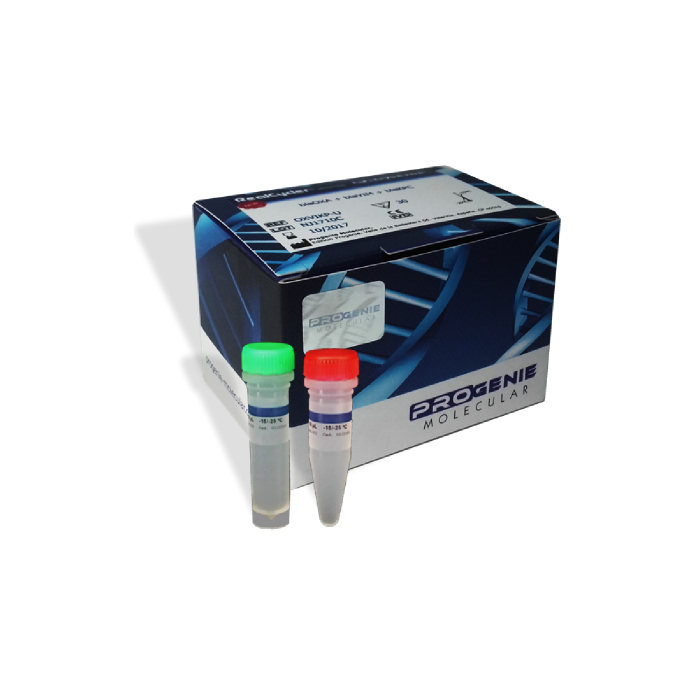
Human CX3CL1/Fractalkine Elisa Kit
€0.00
In stock
SKU
SEKH-0067
Catalog Number: SEKH-0067
Detection Range: 0.6-20 ng/ml
Sensitivity: 0.3 ng/ml
Request Manual
Questions? Contact us!
Detection Range: 0.6-20 ng/ml
Sensitivity: 0.3 ng/ml
Request Manual
Questions? Contact us!
Background:
CX3CL1/Fractalkine is a transmembrane adhesion protein with a chemokine domain separated from the membrane by a mucin stalk. It is upregulated on many cell types during inflammation. The chemokine and mucin regions can be shed as a soluble chemokine that signals through the receptor CX3CR1. During extravasation, membrane-bound CX3CL1 traps leukocytes, then is cleaved to allow diapedesis. Soluble CX3CL1 protects neurons from microglial neurotoxicity, recruits macrophages for wound healing, recruits osteoclast precursors for bone resorption, and contributes to pathogenesis in coronary artery disease.
Long Name: Chemokine (C-X3-C motif) ligand 1
Synonyms:
CX3CL1, ABCD-3, C3Xkine, CXC3, CXC3C, NTN, NTT, SCYD1, Fractalkine, Neurotactin, C-X3-C motif chemokine ligand 1
Sample Type:
Serum, Plasma, Cell culture supernatant.
Assay Lenght: 3.5h
CX3CL1/Fractalkine is a transmembrane adhesion protein with a chemokine domain separated from the membrane by a mucin stalk. It is upregulated on many cell types during inflammation. The chemokine and mucin regions can be shed as a soluble chemokine that signals through the receptor CX3CR1. During extravasation, membrane-bound CX3CL1 traps leukocytes, then is cleaved to allow diapedesis. Soluble CX3CL1 protects neurons from microglial neurotoxicity, recruits macrophages for wound healing, recruits osteoclast precursors for bone resorption, and contributes to pathogenesis in coronary artery disease.
Long Name: Chemokine (C-X3-C motif) ligand 1
Synonyms:
CX3CL1, ABCD-3, C3Xkine, CXC3, CXC3C, NTN, NTT, SCYD1, Fractalkine, Neurotactin, C-X3-C motif chemokine ligand 1
Sample Type:
Serum, Plasma, Cell culture supernatant.
Assay Lenght: 3.5h
| Is Featured? | No |
|---|
Write Your Own Review