
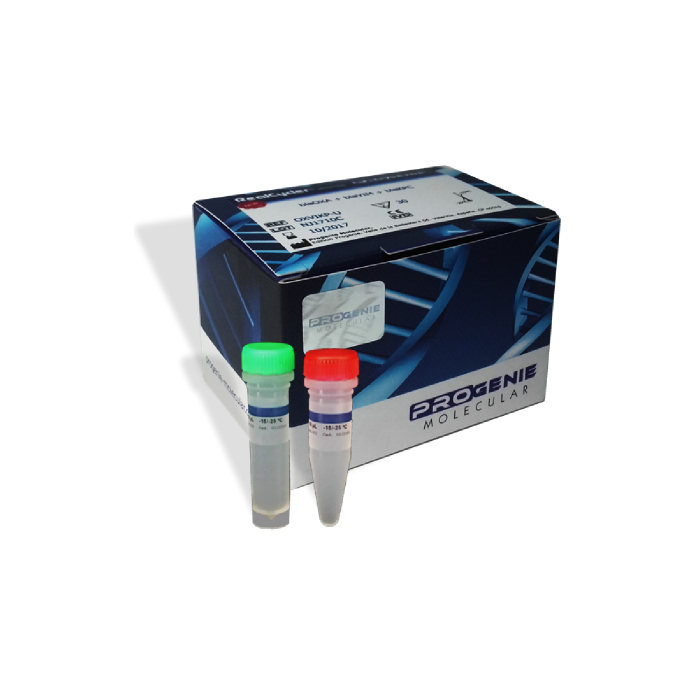
Human BCAM Elisa Kit
€0.00
In stock
SKU
SEKH-0097
Catalog Number: SEKH-0097
Detection Range: 62.5-4,000 pg/ml
Sensitivity: 30 pg/ml
Request Manual
Questions? Contact us!
Detection Range: 62.5-4,000 pg/ml
Sensitivity: 30 pg/ml
Request Manual
Questions? Contact us!
Background:
Basal-Cell Adhesion Molecule (BCAM) and Lutheran blood group glycoprotein (LU) are two alternatively spliced variants of a single immunoglobulin superfamily (IgSF) protein that differ in the length of their cytoplasmic tails. BCAM cDNA encodes a 628 amino acid (aa) residues precursor protein with a putative 31 aa signal peptide, a 597 aa extracellular domain containing three C2 type and two V-type Ig-like domains, a 21 aa transmembrane domain, and a 19 aa cytoplasmic domain. Compared to the 40 aa cytoplasmic domain present in LU, the BCAM cytoplasmic tail lacks the putative Src homology 3 (SH3) binding site that may be involved in mediating intracellular signaling. BCAM/LU has wide tissue distribution and is expressed on erythrocytes, the endothelium of blood vessels and on the basal layer of cells in the epithelia. The expression of BCAM/LU in normal tissues is higher in fetal versus adult tissues. BCAM/LU expression is also upregulated in sickle cell disease red blood cells, in activated keratinocytes and following malignant transformation in some cell types in vivo and in vitro. BCAM/LU has been shown to be an adhesion molecule that binds laminin, a basement membrane protein involved in cell differentiation, adhesion, migration and proliferation.
Long Name: Basal cell adhesion molecule
Synonyms:
BCAM, AU, CD239, LU, MSK19, Basal cell adhesion molecule (Lutheran blood group)
Sample Type:
Serum, Plasma, Cell culture supernatant.
Assay Lenght: 3.5h
Basal-Cell Adhesion Molecule (BCAM) and Lutheran blood group glycoprotein (LU) are two alternatively spliced variants of a single immunoglobulin superfamily (IgSF) protein that differ in the length of their cytoplasmic tails. BCAM cDNA encodes a 628 amino acid (aa) residues precursor protein with a putative 31 aa signal peptide, a 597 aa extracellular domain containing three C2 type and two V-type Ig-like domains, a 21 aa transmembrane domain, and a 19 aa cytoplasmic domain. Compared to the 40 aa cytoplasmic domain present in LU, the BCAM cytoplasmic tail lacks the putative Src homology 3 (SH3) binding site that may be involved in mediating intracellular signaling. BCAM/LU has wide tissue distribution and is expressed on erythrocytes, the endothelium of blood vessels and on the basal layer of cells in the epithelia. The expression of BCAM/LU in normal tissues is higher in fetal versus adult tissues. BCAM/LU expression is also upregulated in sickle cell disease red blood cells, in activated keratinocytes and following malignant transformation in some cell types in vivo and in vitro. BCAM/LU has been shown to be an adhesion molecule that binds laminin, a basement membrane protein involved in cell differentiation, adhesion, migration and proliferation.
Long Name: Basal cell adhesion molecule
Synonyms:
BCAM, AU, CD239, LU, MSK19, Basal cell adhesion molecule (Lutheran blood group)
Sample Type:
Serum, Plasma, Cell culture supernatant.
Assay Lenght: 3.5h
| Is Featured? | No |
|---|
Write Your Own Review