
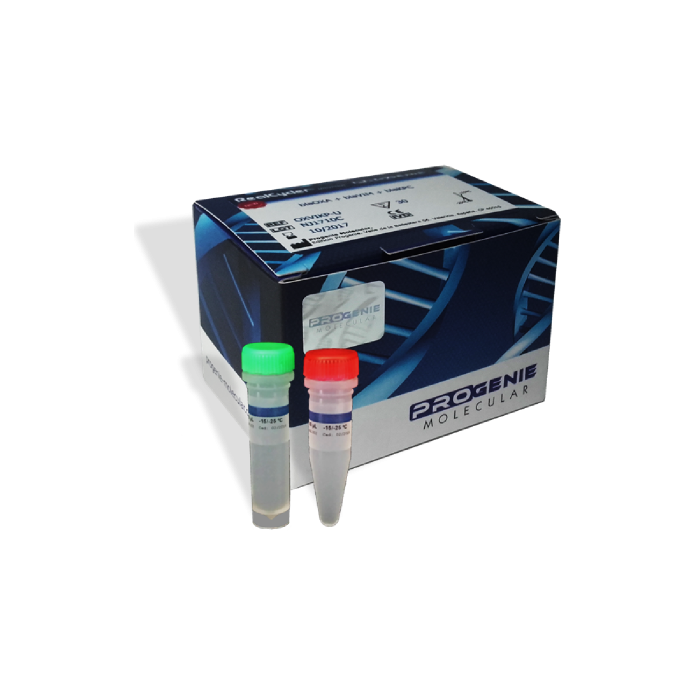
Mouse RAGE Elisa Kit
€0.00
In stock
SKU
SEKM-0128
Catalog Number: SEKM-0128
Detection Range: 125-8,000 pg/ml
Sensitivity: 60 pg/ml
Request Manual
Questions? Contact us!
Detection Range: 125-8,000 pg/ml
Sensitivity: 60 pg/ml
Request Manual
Questions? Contact us!
Background:
RAGE (Receptor for Advanced Glycation End product) is a transmembrane glycoprotein that binds advanced glycation end products (AGEs), beta-amyloid peptides, HMGB1/Amphoterin, and several S100 family proteins. AGEs are adducts formed by the non-enzymatic glycation and oxidation of proteins and lipids. A soluble form can also be generated by MMP-mediated shedding. RAGE is expressed in the CNS during development as well as in adult endothelial cells, smooth muscle cells, pericytes, monocytes, and neurons. It is locally upregulated in vascular inflammation (e.g. diabetes, atherosclerosis, vascular injury, Alzheimer’s disease). At these sites, RAGE binding to S100A1, EN-RAGE/S100A12, or S100B induces inflammatory immune cell adhesion and infiltration as well as vascular smooth muscle proliferation, neointimal expansion, atherosclerotic plaque development, and transport of A-beta into the cerebrospinal fluid. In cancer, RAGE binding to HMGB1, S100A8, or S100A9 promotes tumor growth and metastasis in addition to inflammatory cell infiltration.
Long Name: Receptor for Advanced Glycation End Products
Synonyms:
AGER, MOK Protein Kinase, MOK, RAGE, RAGE-1, Renal tumor antigen 1
Sample Type:
Serum, Plasma, Cell culture supernatant.
Assay Lenght: 3.5h
RAGE (Receptor for Advanced Glycation End product) is a transmembrane glycoprotein that binds advanced glycation end products (AGEs), beta-amyloid peptides, HMGB1/Amphoterin, and several S100 family proteins. AGEs are adducts formed by the non-enzymatic glycation and oxidation of proteins and lipids. A soluble form can also be generated by MMP-mediated shedding. RAGE is expressed in the CNS during development as well as in adult endothelial cells, smooth muscle cells, pericytes, monocytes, and neurons. It is locally upregulated in vascular inflammation (e.g. diabetes, atherosclerosis, vascular injury, Alzheimer’s disease). At these sites, RAGE binding to S100A1, EN-RAGE/S100A12, or S100B induces inflammatory immune cell adhesion and infiltration as well as vascular smooth muscle proliferation, neointimal expansion, atherosclerotic plaque development, and transport of A-beta into the cerebrospinal fluid. In cancer, RAGE binding to HMGB1, S100A8, or S100A9 promotes tumor growth and metastasis in addition to inflammatory cell infiltration.
Long Name: Receptor for Advanced Glycation End Products
Synonyms:
AGER, MOK Protein Kinase, MOK, RAGE, RAGE-1, Renal tumor antigen 1
Sample Type:
Serum, Plasma, Cell culture supernatant.
Assay Lenght: 3.5h
| Is Featured? | No |
|---|
Write Your Own Review