
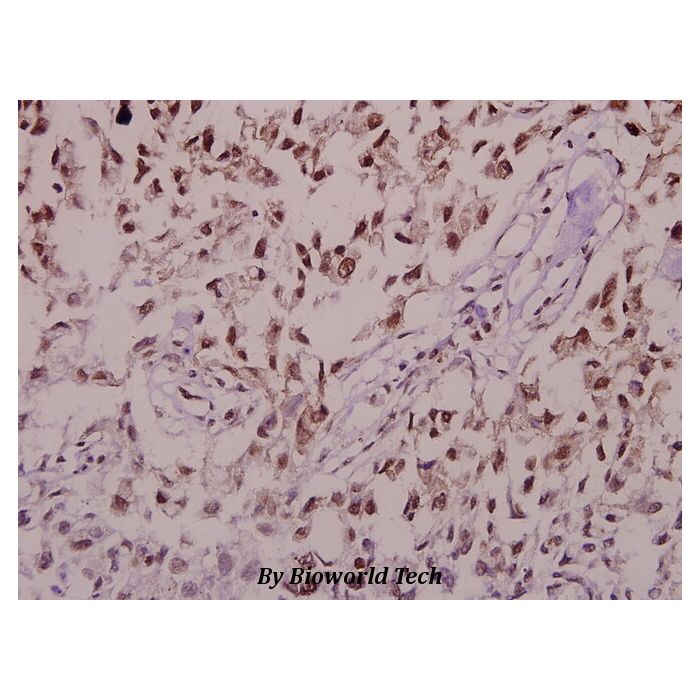
Synuclein-α (phospho-S129) polyclonal, anti-human, mouse, rat
€328.00
In stock
SKU
BS4361
Background:
The synuclein family members, including α-synuclein (also designated NACP for non-β Amyloid component) and β-synuclein, are predominantly expressed in the brain and are speculated to be involved in synaptic regulation and neuronal plasticity. α-synuclein is localized to neuronal cell bodies and synapses. α-synuclein was first identified as a component of Alzheimer’s disease amyloid plaques. Abnormal platelet function in Alzheimer’s disease has been demonstrated. During megakaryocytic differentiation α-synuclein has been found to be upregulated, while β-synuclein is downregulated, indicating that coordinate expression of synucleins may be important during hematopoetic cell differentiation. A mutant form of α-synuclein has been found in patients with early onset Parkinson’s disease.
Alternative Name:
Alpha-synuclein, α-synuclein, Non-A beta component of AD amyloid, Non-A4 component of amyloid precursor, NACP, SNCA, NACP, PARK1
Application Dilution: IHC: 1:50~1:200
Specificity: p-Synuclein-α (S129) polyclonal antibody detects endogenous levels of Synuclein-α protein only when phosphorylated at Ser129
Immunogen:
Synthetic peptide, corresponding to amino acids 100-150 of Human Synuclein-α.
MW: ~ 18 kDa
Swis Prot.: P37840
Purification & Purity:
The antibody was affinity-purified from rabbit antiserum by affinity-chromatography using epitope-specific immunogen and the purity is > 95% (by SDS-PAGE).
Format:
1 mg/ml in Phosphate buffered saline (PBS) with 0.05% sodium azide, approx. pH 7.2.
Storage:
Store at 4°C short term. Aliquot and store at -20°C long term. Avoid freeze-thaw cycles.
For research use only, not for use in diagnostic procedure.
The synuclein family members, including α-synuclein (also designated NACP for non-β Amyloid component) and β-synuclein, are predominantly expressed in the brain and are speculated to be involved in synaptic regulation and neuronal plasticity. α-synuclein is localized to neuronal cell bodies and synapses. α-synuclein was first identified as a component of Alzheimer’s disease amyloid plaques. Abnormal platelet function in Alzheimer’s disease has been demonstrated. During megakaryocytic differentiation α-synuclein has been found to be upregulated, while β-synuclein is downregulated, indicating that coordinate expression of synucleins may be important during hematopoetic cell differentiation. A mutant form of α-synuclein has been found in patients with early onset Parkinson’s disease.
Alternative Name:
Alpha-synuclein, α-synuclein, Non-A beta component of AD amyloid, Non-A4 component of amyloid precursor, NACP, SNCA, NACP, PARK1
Application Dilution: IHC: 1:50~1:200
Specificity: p-Synuclein-α (S129) polyclonal antibody detects endogenous levels of Synuclein-α protein only when phosphorylated at Ser129
Immunogen:
Synthetic peptide, corresponding to amino acids 100-150 of Human Synuclein-α.
MW: ~ 18 kDa
Swis Prot.: P37840
Purification & Purity:
The antibody was affinity-purified from rabbit antiserum by affinity-chromatography using epitope-specific immunogen and the purity is > 95% (by SDS-PAGE).
Format:
1 mg/ml in Phosphate buffered saline (PBS) with 0.05% sodium azide, approx. pH 7.2.
Storage:
Store at 4°C short term. Aliquot and store at -20°C long term. Avoid freeze-thaw cycles.
For research use only, not for use in diagnostic procedure.
| Is Featured? | No |
|---|
Write Your Own Review